Sign up
 Login
Login
Is a Nursing Career Right For You?
Take The Free QuizImproving Chronic Care Through Remote Patient Monitoring
Improving Chronic Care Through Remote Patient Monitoring
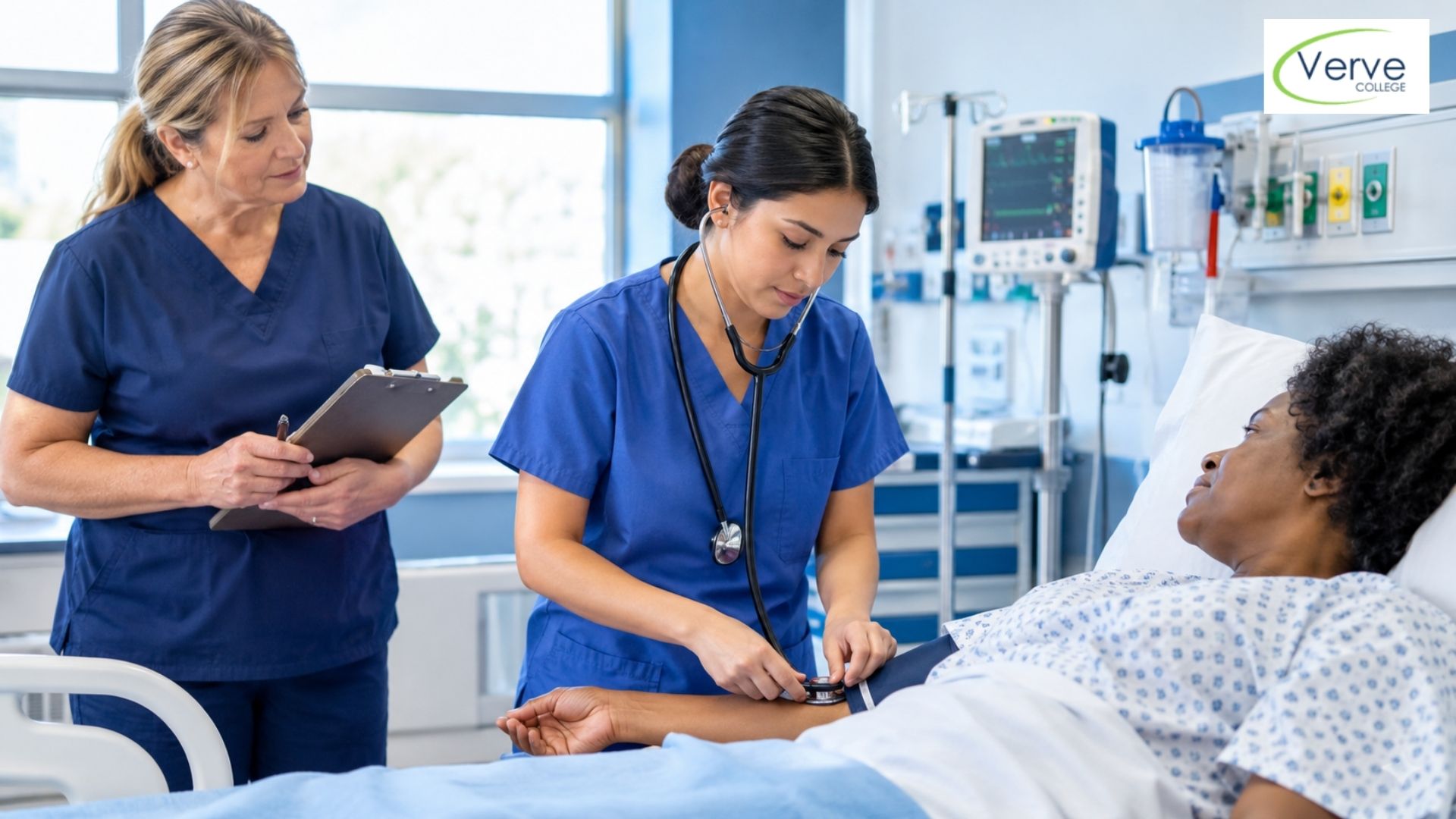
Millions of individuals globally suffer from chronic conditions like diabetes, high blood pressure, and heart disease. Timely interventions, lifestyle modifications, and regular monitoring are required for the management of these disorders. Recent developments in healthcare have made it feasible to use technology to improve patient outcomes. Chronic care management remote patient monitoring are emerging as a vital tool that allows healthcare providers to track patient health in real time, even outside the clinic.
According to a 2024 study by the American Medical Association, patients who use remote monitoring devices have a 30% higher adherence to treatment plans than those relying solely on in-person visits. For students exploring LPN classes near me, understanding how remote patient monitoring enhances chronic care is a valuable insight into modern healthcare practices.
Key Takeaways
- Remote patient monitoring (RPM) helps track vital signs and disease progression continuously.
- Chronic care management and remote patient monitoring improve patient engagement and reduce hospital readmissions.
- RPM technology allows healthcare providers to make timely interventions based on real-time data.
- Integrating RPM with traditional care ensures a more holistic approach to chronic disease management.
How Remote Patient Monitoring Transforms Chronic Care
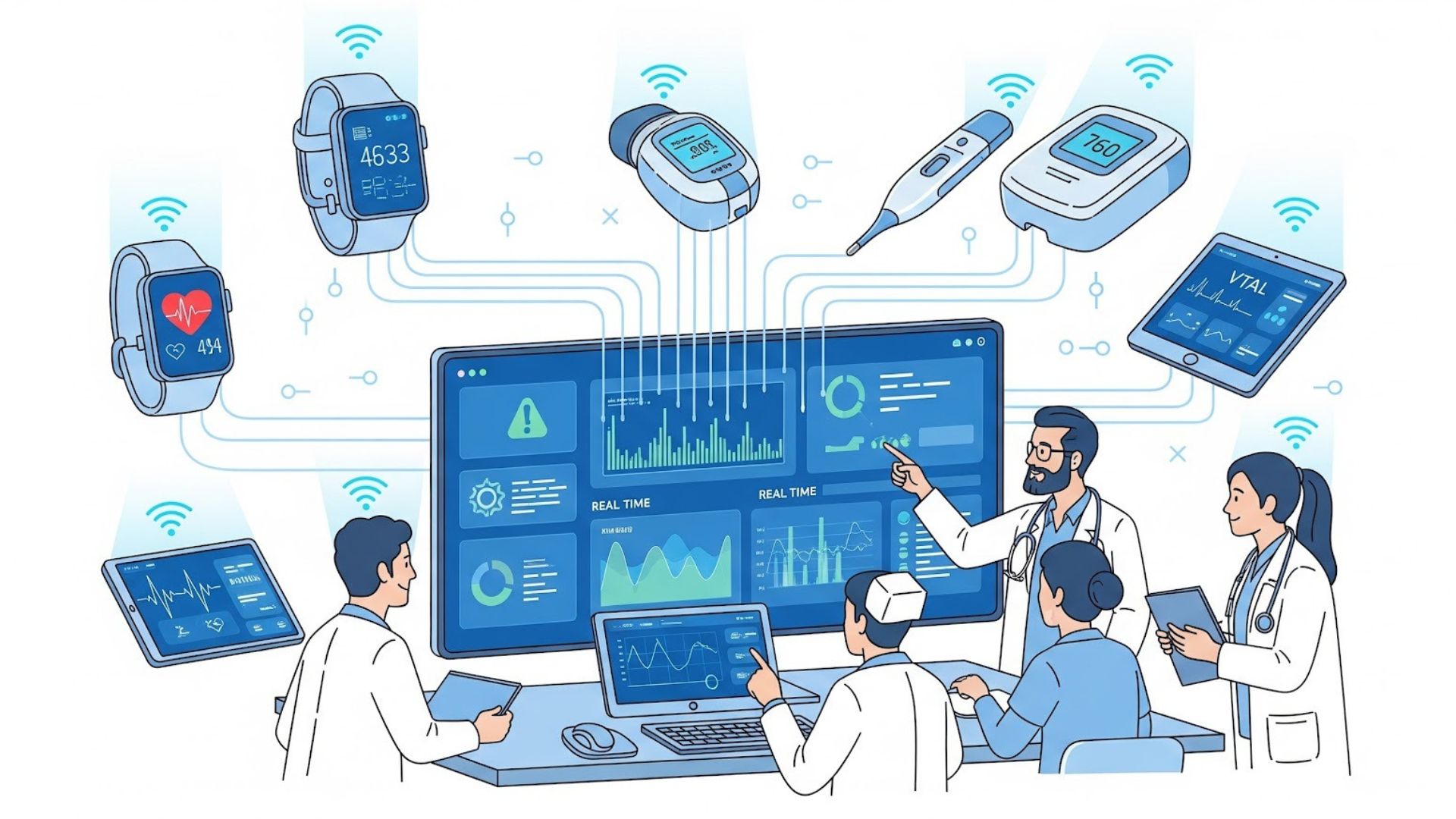
Chronic care management and remote patient monitoring combine patient-centered care with technology to improve outcomes. Patients with chronic illnesses often need frequent monitoring of blood pressure, glucose levels, heart rate, and other vital signs. Traditional visits to clinics or hospitals can be time-consuming and costly. RPM bridges this gap by providing real-time monitoring through wearable devices, mobile apps, or home-based equipment.
For instance, a patient with heart failure can use a connected scale and blood pressure monitor. Data is automatically sent to their healthcare provider, who can detect early warning signs and adjust treatment before the condition worsens. This proactive approach prevents hospitalizations and improves the patient’s quality of life.
Healthcare providers also benefit. Remote monitoring allows nurses, doctors, and care managers to analyze trends over time, identify risk factors, and personalize care plans. For students considering an A&P nursing class, learning about RPM systems offers practical knowledge that aligns with anatomy and physiology applications in real-world healthcare scenarios.
Related: Chronic Care Management: Key Practices and Patient Benefits
Challenges and Considerations
While RPM offers significant benefits, it’s important to address potential challenges:
- Technology Accessibility: Not all patients have access to smartphones or reliable internet connections.
- Data Security: Protecting sensitive patient information is critical.
- Training Needs: Nurses and care teams need proper training to use RPM systems effectively.
- Patient Compliance: Some patients may find it difficult to regularly use monitoring devices.
Healthcare institutions are increasingly integrating RPM with traditional care plans, ensuring patients receive support and guidance when using these technologies.
Future of Chronic Care Management
Chronic care management and remote patient monitoring are redefining the healthcare landscape. AI-driven analytics, wearable devices, and telehealth platforms are becoming more accessible, allowing for personalized, continuous, and preventive care. For aspiring nurses or LPN students, gaining familiarity with these technologies during training can enhance career readiness and patient outcomes.
By combining traditional care with RPM, healthcare providers can deliver a more holistic, patient-centered approach, ensuring that individuals with chronic illnesses receive timely interventions and consistent support.
Conclusion
In conclusion, chronic care management remote patient monitoring is a transformative approach that bridges the gap between patients and healthcare providers. By integrating technology with traditional care, patients experience better engagement, timely interventions, and improved quality of life. For students exploring nursing schools in Chicago Il, understanding these systems offers a valuable perspective on modern nursing practice. As healthcare continues to evolve, RPM will play an increasingly essential role in managing chronic illnesses efficiently and effectively.
Want to Make a Career in Nursing? Get More Information About Our Courses!
FAQs
- What is remote patient monitoring (RPM)?
Remote patient monitoring is a technology-driven approach that allows healthcare providers to track patients’ vital signs and health metrics outside of traditional clinical settings. - How does RPM benefit chronic care patients?
RPM enables continuous monitoring, early detection of complications, better treatment adherence, and improved overall health outcomes. - Can RPM be used for all chronic conditions?
While RPM is effective for many chronic conditions such as diabetes, heart disease, and hypertension, its suitability depends on the patient’s specific health needs and access to technology.
Most Popular Blogs Posts

LPN School for Working Adults: What…
October 15, 2026 Read More
How to Prepare for Nursing School…
October 14, 2026 Read More
How Practical Nursing Students Build Clinical…
October 14, 2026 Read More
What Is Capillary Refill? A Guide…
October 13, 2026 Read More